BECOME A MAGAZINE EDITOR
8 WEEKS
MONDAYS & WEDNESDAYS
6 PM BST
3 JUN 2026 - 22 JUL 2026
DURATION:
8 WEEKS
MONDAYS & WEDNESDAYS
6 PM BST

Shape the stories everyone will be talking about next.
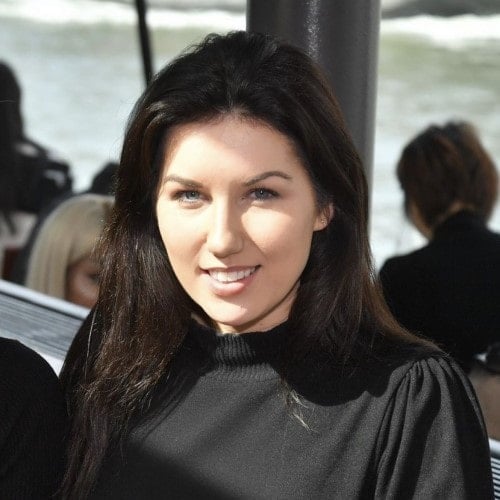
Led by Natasha Bird, former Executive Editor at ELLE, learn how professional editors find, shape and publish the stories that define modern magazines.
WHO THIS COURSE IS FOR
-
YOU ARE AN ASPIRING MEDIA WRITER
Breaking into magazines can feel impossible when you don’t know how the industry really works. This magazine editor course shows you how magazines operate and how editors shape stories from idea to publication, while helping you build the skills and portfolio that make your first media role far more achievable.
-
YOU ARE A WRITER OR JUNIOR EDITOR READY TO STEP UP
You’re already writing or assisting editors, but moving into a real editorial role requires a different skill set. Here, you’ll sharpen your editorial judgement, learn how to develop and manage stories, and gain the confidence to step into roles like section editor or magazine editor.
-
YOU ARE A CONTENT EDITOR OR JOURNALIST AIMING FOR SENIOR ROLES
You know how to write and edit strong stories, but leading editorial strategy across modern platforms requires a broader perspective. With magazine editor training, you’ll learn to think like a senior editor, shaping content direction, managing contributors, and building multi-platform editorial strategies that resonate with today’s audiences.
Learn the editorial craft that shapes great magazines.
Learn the practical editorial skills used inside real newsrooms, from developing strong story ideas to interviewing sources, editing drafts, and shaping content for modern audiences. By the end of the course, you’ll produce your own professional editorial pitch and multi-platform feature concept.
Expert insight, straight from the editor’s chair.
Because the course runs live online, you’ll learn directly from an experienced magazine editor and interact with fellow students in real time. Workshops, editorial discussions, and feedback sessions recreate the collaborative environment where great stories take shape.
- Led editorial strategy and content development at ELLE Magazine
- Contributed journalism to Harper’s Bazaar, Esquire, The Telegraph, and The Independent
- Directed digital media initiatives as Director of XWHY Media
- Founded editorial consultancy Tough Crowd, advising publications and media brands
- Received industry recognition from the BSME and PPA
- Won awards from Amnesty International and One World Media for foreign reporting
- Honoured with the Rosemary Goodchild Award for contributions to women’s health journalism

Get to know your instructor, take a closer look at the course expectations, and prepare for the learning ahead.
- Instructor intro
- Course structure
- Assignments & final project overview
- AI expectations & course ground rules
Get a clear, behind-the-scenes view of how modern magazines operate — from multi-platform storytelling to audience-driven editorial strategy. Understand what today’s editors do to shape content, stay culturally relevant, and keep readers coming back.
- Today’s media landscape
- Modern magazine work
- Multi-platform editorial strategy
- Editorial judgment, data, audience insight
- Why magazine journalism still matters
- The role of the modern magazine editor
Good ideas are everywhere — great pitches are rare. Learn how to identify what makes a story timely, original, and relevant, and shape it into a pitch editors can quickly see the value in.
- Publishable idea & where they come from
- Responding to the agenda vs. setting it
- Strong pitch & pitching across platforms
- Spotting original ideas vs. recycled content
- Case Study: Weak pitches vs. strong pitches
- Workshop: Pitching a digital-first story with cross-platform extensions
Assignment #1: Story Pitch
Develop a publishable story pitch for a lifestyle magazine. Propose a timely and distinctive idea, explain why it matters now, identify potential interview subjects, and suggest two cross-platform extensions such as social, video, or newsletter formats.
Learn how to separate solid facts from shaky claims. Practise verifying sources, stress-testing research and PR claims, and spotting misinformation before it sneaks into your story — getting it right matters more than getting it first.
- The modern misinformation & why verification matters
- The risks of misinformation & how it spreads online
- Rigorous reporting practices: Source credibility, fact-checking, cross-verification
- Traditional reporting methods & modern equivalents
- Interrogating data, research, and PR claims
- Case Study: From academic study to published feature
Learn how to run interviews that deliver — sharp prep, smarter questions, and spotting the quote that makes the story. Understand how to guide conversations across print, digital, and on-camera formats and create material you’d want to publish.
- The role of the interviewer & interview prep
- Asking better questions, listening for strong lines & angles
- Case Studies: Mark Wahlberg & Emily Maitlis/Prince Andrew
- Interviewing on camera
- Flow, presence, production considerations & ethical standards
- Workshop: Structured peer interview practice
Assignment #2: Interview Preparation
Choose a real public figure or an expert and prepare for an interview. Submit a short research note and draft six interview questions designed for different formats: print, digital/social pull quotes, and on-camera conversation.
Learn how to structure stories that keep readers reading. You’ll break down how attention works online, craft openings that hook instantly, and organise feature stories with narrative flow and smart digital formatting that makes every paragraph earn its place.
- Writing for the attention economy
- Building narrative flow
- Hooks, drop intros, strong openings
- Features, profiles, explainables, reportage
- Digital reading tools: Subheads, chunking, pull quotes, visual entry points
- Case Study: Feature openings that pull readers in
Turn rough drafts into polished, publish-ready stories. Learn to spot structural issues, sharpen clarity, and fine-tune voice and flow so your writing reads flawlessly in print and online.
- From journalist to editor: Editor’s role
- Structural, line, & copy editing
- Reading, diagnosing, & restructuring a story
- Clarifying voice, flow, & meaning
- Quoting, accuracy, copy checks
- Editing for digital readability
Assignment #3: Verification & Editorial Rewrite
Read a flawed article, identify credibility red flags, outline the verification checks you would perform, and decide whether the story should be published, rewritten, or discarded. Rewrite the article to improve structure, clarity, and narrative flow.
Craft headlines that grab attention without selling out. Learn to write for print, search, social, and video — balancing curiosity, clarity, and trust — so every headline delivers on its story.
- Why headlines matter more than ever & what they do
- Clickbait, curiosity, editorial trust
- Writing across print, SEO, social, video
- Balancing clarity, intrigue, platform needs
- Case Study: Effective headlines that deliver on their promise
- Workshop: Writing headlines for multiple platforms
Assignment #4: Cross-Platform Headline Strategy
Select a published article from Harper’s Bazaar, Esquire, The Cut, or The Guardian and rewrite its headline for four formats: print, SEO, social media, and video title card. Include the original headline and briefly explain the thinking behind each new version.
Learn how to guide the reader’s eye and tell stories visually. Analyse hierarchy, pacing, and layout across print and digital, and design editorial spreads that balance text, images, and flow for maximum impact.
- How layout shapes attention, comprehension, & flow
- Print vs. digital reading behaviour: Structuring stories visually
- Eye movement, scanning, visual hierarchy
- The flatplan & editorial pacing
- Working with photography, illustration, visual teams
- Workshop: Building a pacing plan for a feature layout
Learn what matters in a newsroom — how editors think, what they value, and how to collaborate like a pro. Navigate editorial workflows, pitch ideas confidently, and show up as the team player every hiring editor notices.
- The reality of editorial work: How newsrooms operate
- Story planning & editorial meetings
- Working as an intern or Junior Editor: What hiring editors value
- Working with freelancers & managing expectations
- Professionalism & work-life boundaries advice
- Workshop: Simulated editorial meeting
Assignment #5: Commissioning Brief
Write a commissioning brief for a freelance writer that clearly communicates the story angle, working headline, word count, deadline, expected sources, and tone or brand voice guidance, along with one specific editorial instruction to strengthen the story.
Spot potential legal and ethical pitfalls before they hit print. Learn to navigate defamation, copyright, privacy, and advertising rules — and make editorial decisions with confidence, clarity, and integrity.
- Why media law matters: Defamation & publishing risk
- Case Study: Johnny Depp vs. News Group Newspapers
- Questions to ask before publishing
- Right of reply, editorial fairness, privacy, IPSO, public interest
- Copyright, publishing rights, rights agreements
- Advertising standards, commercial transparency, AI ethics
Learn to read the numbers without losing the story. Turn audience data and editorial metrics into smart decisions that shape content strategy, boost engagement, and keep your readers coming back for more.
- Why analytics matter: Turning data into storytelling insight
- Balancing audience data with editorial judgment
- Core editorial KPIs: Performance across platforms
- Case Study: Spotify Wrapped
- Knowing when to challenge the data
- Newsletter strategy & first-party audience growth
Assignment #6: Editorial Analytics Interpretation
Analyse an analytics snapshot for three articles and interpret the performance data. Identify which article is most successful, diagnose a potential performance issue, recommend an editorial action based on the data, and propose a follow-up story idea informed by audience behaviour.
Understand how modern media makes money without compromising editorial integrity. Learn to navigate revenue streams, collaborate with commercial teams, and think strategically about how editorial ideas thrive in today’s fast-moving publishing world.
- Why monetisation matters: Magazine revenue models
- Revenue streams across print, digital, commerce, & events
- Case Study: SheerLuxe x ALIGNE
- The editorial and commercial divide: Collaboration between teams
- Transparency, ethics, brand voice
- Staying agile in a changing media landscape
Final Project: Editorial Concept & Multi-Platform Story Strategy
Develop an editorial concept for a major magazine story or themed editorial package. Think like an editor-in-chief by planning how a story would exist across modern media platforms.
Build a portfolio that speaks for you. Learn how to showcase range, strategy, and editorial smarts across platforms, so potential employers and editors instantly see your credibility — even without big bylines.
- What hiring editors look for in a portfolio
- What a modern editorial portfolio should include
- Building credibility without major bylines
- Showing strategy, range, & editorial thinking
- Positioning yourself for major titles & freelance opportunities
Explore where your editorial skills can take you — inside magazines and beyond. Map out career paths, spot opportunities in adjacent industries, and build a practical strategy to level up your professional journey.
- The editorial career ladder
- Freelancing as a career model
- Adjacent careers for editorial professionals
- Networking & professional relationships
- Workshop: Career mapping & next steps
Explore the future of editorial work — from AI-assisted publishing to data-driven storytelling — and sharpen your perspective on what it takes to thrive as a magazine editor in a rapidly evolving industry.
- What future employers will look for
- Emerging & hybrid editorial roles
- The editor's role in AI-assisted & data-driven publishing
- Where the industry is heading
- Course reflection
- Group Discussion: Magazine editor role five years from now
What our students say
MARKETING DIRECTOR
"It was such a great experience, well worth the course fee which I invested personally - I've learnt so much and feel much more confident in my role.."
"The course at ELVTR was a great investment in my career. The materials are top-notch, and the instructors provided excellent support."
"The knowledge. The teacher is very experienced. He is able to answer our questions in depth, and takes the time to do so."
"The course was very helpful in helping me expand my design toolkits by gaining a wealth of new knowledge and inside expertise to stay at the forefront in an age of rapidly developing technological and software advancements."

Fill in the form to start your ELVTR journey.
We will contact you to clarify all the details.