CHIEF OPERATING OFFICER
MONDAYS & WEDNESDAYS
6 PM BST
LIVE ONLINE COURSE ON BECOMING A CHIEF OPERATING OFFICER
15 APR 2026 - 22 JUN 2026
DURATION:
9 WEEKS
MONDAYS & WEDNESDAYS
6 PM BST
Learn how to structure, run, and lead an organisation that performs at scale.
Led by Steven Burman, former Global COO at Barclays and NatWest, this live course equips you to design operating models, governance, and organisations built for enterprise execution.
WHO THIS COURSE IS FOR
-
YOU ARE A GENERAL/BUSINESS MANAGER
You’re close to the table, but not quite at it. This chief operating officer course gives you the COO lens, how services, structure, money, risk, and people fit together. You’ll gain executive-level language, sharper credibility, and a clear pathway from business management into enterprise operations leadership.
-
YOU ARE AN OPERATIONS LEADER
You run teams well, but scaling across cost, control, and performance feels harder than it should. This programme moves you beyond execution mechanics. You’ll learn how COOs design systems that scale across regions and growth stages, and how strong operators become trusted enterprise leaders.
-
YOU ARE A TRANSFORMATION OR CHANGE LEADER
You drive change, but BAU often weakens the outcome. This COO course adds the execution reality. You’ll learn how operating models sustain change, how to balance efficiency with resilience, and how to build hands-on operational credibility for senior leadership or COO roles.
Design how the business actually runs.
This chief operating officer training equips you to turn strategy into scalable execution. Through live workshops, assignments, and real cases, you’ll build operating models, governance frameworks, budgets, and dashboards that reflect how enterprise organisations work.
Learn LIVE from a seasoned leader.
Learn in real time with a career COO who has operated at board level inside global banks. Every session is interactive, grounded in lived experience, and focused on decisions senior leaders actually face, with direct feedback you can apply immediately.
Assignments and workshops mirror the real COO workload, designing target operating models, building budgets, choosing KPIs, allocating resources, and assessing risk. You’ll practise making trade-offs, not just talking about them. By the end, execution feels structured and repeatable.
Case studies and guest speakers expose how organisations really operate under pressure. You’ll see how strong reporting works, why governance fails, and how culture, risk, and performance collide in practice. Expect nuance, not neat conclusions.
You’ll deliver a complete Operating Strategy and Transformation Plan for a chosen company. This becomes tangible evidence of COO-level thinking; a portfolio-ready asset that strengthens interviews, promotions, and executive conversations.
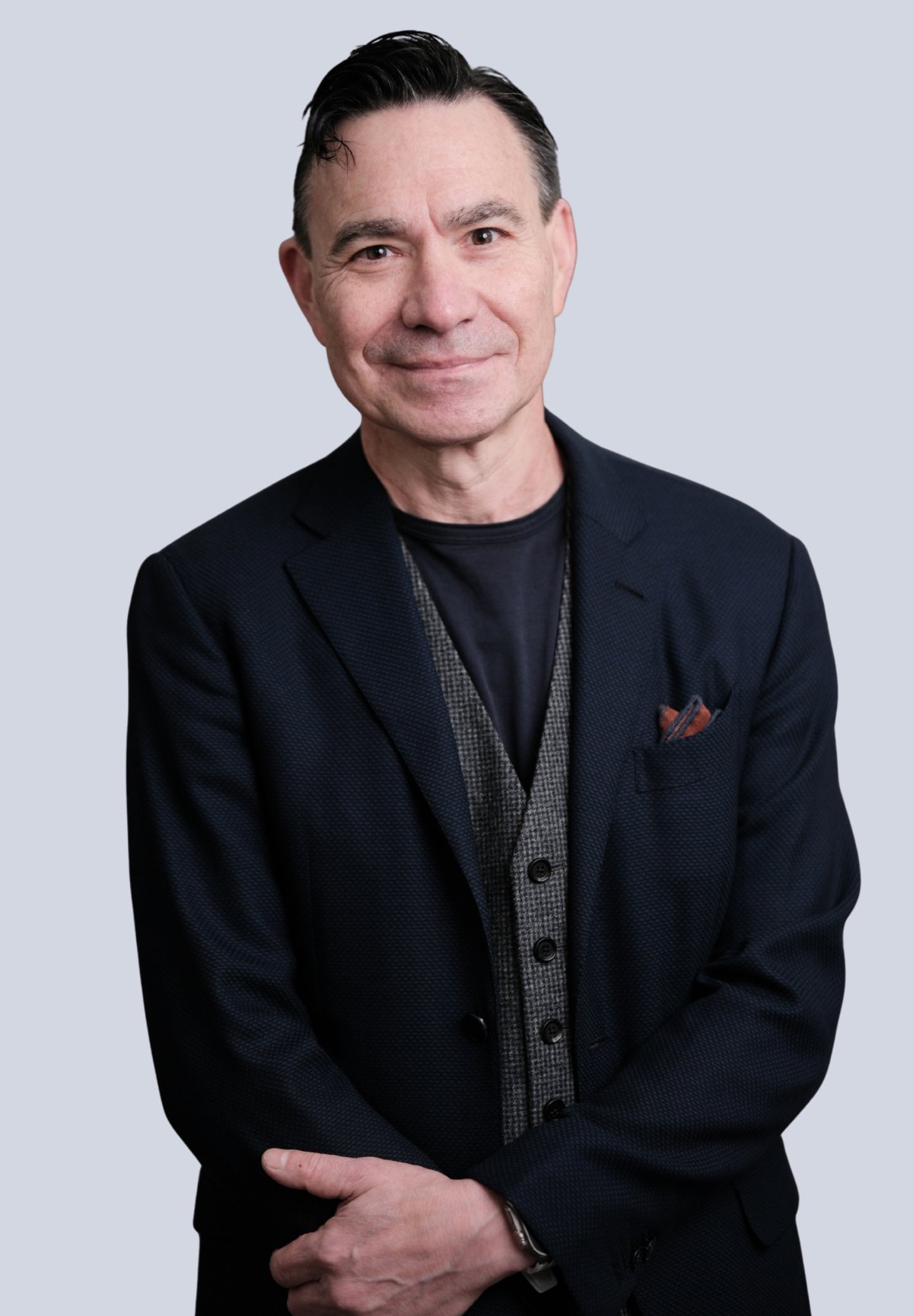
Steven Burman
LinkedIn Profile- Served as Global COO of Compliance at Barclays and NatWest (RBS), operating at enterprise and board level
- 35+ years across banking and consulting, including PwC, Goldman Sachs, UBS, Deutsche Bank, and Barclays
- Designed and executed global operating models spanning strategy, cost, risk, control, and performance
- Led large-scale organisational redesign, location strategy, and hybrid operating models
- Delivered major regulatory and transformation programmes, including Consumer Duty from strategy to BAU
- Built workflow, reporting, and control systems with measurable ROI at scale
- Known for translating complex operations into clear executive decisions
Set the foundations: understand the structure, assignments, and final project, choose your company, and get placed into working groups so you can focus on doing the work, not figuring out the rules.
- Instructor inro
- Course structure
- Assignments & final project overview
- How to succeed in this course
MODULE 1
Strategy & Operating Models
Get clear on what a modern COO does and why the role looks different in every company. You’ll learn the main COO archetypes, where the role sits in the C-suite, and how strategy, scale, and the CEO partnership shape day-to-day operating leadership.
- Evolution of the COO role: Traditional vs. modern COO
- CAO & CoS
- Where the COO sits in the C-suite
- COO archetypes: Executor, Change Agent, Integrator, Mentor, Partner to CEO
- Case Study + Workshop: COO role analysis
Turn strategy into something that works. In this class, you’ll translate big-picture strategy into a clear Target Operating Model, spot the risks hiding in operations, tech, people, and data, and learn how COOs pressure-test it all before things break.
- What is a Target Operating Model (TOM)?
- How strategy translates into operating capabilities
- Strategic risk identification: Operational, regulatory, people, data, tech, financial
- How COOs pressure-test strategy
Get clear on what a COO owns. You’ll be able to define a practical COO service catalogue and turn it into realistic operating plans — stress-tested across best, worst, and most-likely scenarios — using a refined Target Operating Model.
- What a COO Service Catalogue is & why it matters
- Scenario thinking: Best case, worst case, expected case
- Operational plans: Annual, quarterly, resources planning
- Workshop: TOM Development
Assignment #1: Define the Operating Model and Draft a Preliminary Service Catalogue for your selected company. Identify two potential operational challenges that could affect your service catalogue and draft a risk mitigation plan for these challenges.
Understand how to cut through metric noise and pick KPIs that matter to senior leaders. You’ll design executive-ready dashboards tailored to ops, people, finance, and risk, and confidently explain why those numbers belong in front of the board.
- The COO’s performance measurement system
- Designing dashboards & different types of dashboards
- KPIs, OKRs, & success metrics: Choosing the right metrics
- Communicating with the board
- Case Studies: How great companies report performance: Google, Amazon, Netflix
- Workshop: Choosing the right KPIs
Assignment #2: Create a KPI dashboard for your selected company. Who is it for?
MODULE 2
Financial Management & Cost Control
Turn operational plans into clear, actionable budgets. Learn to navigate COO–CFO priorities, decode cost drivers, and structure forecasts that make sense. Then, put it all into practice in a hands-on budgeting workshop.
- Budget cycles: Annual, rolling, zero-based, flexible
- Key COO–CFO dynamics
- Translating operating needs into financial forecasts
- Understanding cost drivers in operational teams
- Capex vs. Opex considerations
- Workshop: Creating a budget
Take control of the numbers that drive your projects. Learn to break down budgets, run ROI scenarios, and make financial decisions with confidence — all hands-on with your own run-rate model.
- Knowing the components: People, technology, real estate, run-rates
- How to partner with the CFO
- ROI decision models
- Financial scenario planning
- Workshop: Run-Rate Model
Assignment #3: Develop a High-Level Ops Budget for your chosen company.
Learn to stretch your team and budget smartly, whether growth is booming or costs are tight. You’ll get frameworks for headcount planning, risk-based allocation, and scenario-driven staffing, then put them to work in a hands-on workshop that optimises resources and automation opportunities.
- Risk-based resource allocation
- Process-level budgeting
- Headcount planning frameworks
- Scenario planning: High growth vs. cost-cutting years
- Staffing models: Centralised, decentralised, hybrid
- Workshop: Resource allocation
MODULE 3
Systems, Control & Performance
Get inside a COO’s head: see how they set up governance, manage risk, and keep the organisation running smoothly. Understand the structures, decisions, and checks that make companies resilient and compliant.
- What governance looks like for a COO
- Risk taxonomy: Operational, financial, people, regulatory, technology
- Governance structures: Committees, decision rights, reporting lines
- The COO’s role in ensuring compliance & resilience
Learn how to design and document functional operational controls. By building a controls library and mapping key processes, you’ll practice mitigating risks like a pro, hands-on and in class.
- What are “controls” in operations?
- Control families: Financial controls, operational controls, people-related controls
- Building a controls library
- Workshop: Controls library
Take a close look under the hood of operational controls and see what works. You’ll learn to spot weak points, evaluate effectiveness based on company stage, and make recommendations that keep operations resilient and risk in check.
- “Good” operational control & different stage companies
- Early-warning indicators
- Continuous monitoring vs. periodic reviews
- Linking controls to risk appetite
- COOs as owners of operational resilience
- Workshop: Control effectiveness evaluation
Learn how to run an RCSA, spot systemic issues before they escalate to rank and tackle them effectively. By the end, you’ll know how to turn risk insight into clear, actionable priorities across any service.
- How to run an RCSA
- Facilitating cross-functional reviews
- Detecting systemic risk & failures
- How to prioritise remediation actions
- Workshop: Risk assessment
Assignment #4: Build a Risk & Control Matrix (RACM) for your chosen company for 1–2 critical processes.
MODULE 4
People, Culture & Organisational Design
See how COOs drive performance by shaping culture, setting rituals, and keeping teams accountable. You’ll learn to spot toxic patterns, leverage feedback, and understand why a strong culture can make or break strategy.
- The COO’s role in shaping culture
- Culture levers: Feedback, rituals, communication, accountability
- Diagnosing toxic or broken cultures
- Culture’s impact on performance & customer experience
Assignment #5: Read the Peter Drucker article + watch the Simon Sinek video and reflect.
Build org structures that scale. From 50 to 5,000 employees, learn how to design teams, choose the right locations, and set up a workforce strategy that balances efficiency, flexibility, and growth.
- Organisation design principles
- Org structures appropriate for different stages
- Scaling from 50 → 500 → 5,000 employees
- Location & workforce strategy: Remote, hybrid, offshore, etc.
Assignment #6: Design a high-level organisational structure for your company. Make location strategy decisions that reduce cost and improve execution.
From mapping skills and planning succession to shaping leadership pipelines, you’ll learn to design a workforce that’s ready for today and tomorrow. This class is your chance to turn strategy into action with hands-on planning and a workshop.
- Workforce planning
- Skills mapping
- Leadership pipeline development
- Succession planning
- Strengthening cross-functional leadership
- Workshop: Developing a people strategy
MODULE 5
Change, Resilience & Executive Leadership
Get ready to lead change with confidence. Learn how to navigate complex transformations, apply proven frameworks, and communicate plans that stick, avoiding the pitfalls that make most change initiatives flop.
- Types of transformation: Tech, culture, process, org
- Major change frameworks: Kotter, ADKAR, McKinsey 7-S
- Designing communication plans
- Why transformations fail & how COOs prevent it
See how operations pros scale smarter, not harder. Explore automation, low-code tools, and workflow strategies, then watch a guest COO demo how data and reporting turn everyday decisions into evidence-backed wins.
- Automation fundamentals
- Low-code vs. no-code tools: SalesForce
- Guest Speaker: Demo
- How COOs choose tools & vendors
- Evidence collection
Get a front-row view of how FinTech and RegTech power scalable, compliant operations. Learn the tools COOs rely on for payments, risk, fraud, and reporting, and figure out when to build in-house versus buy.
- How modern COOs use technology to scale operations
- Key FinTech concepts
- Key RegTech topics
- Vendor evaluation & build vs. buy decisions
- Challenges
Step confidently into senior operations roles by defining your own COO leadership philosophy, sharpening your interview strategy, and mapping the roadmap from VP to Director to COO. Walk away with practical insights, real-world advice, and a clear plan to level up your career.
- Preparing for a COO or VP Ops role & what hiring managers look for
- Interview preparation: Case interviews, scenario questions
- Creating your personal COO Leadership Philosophy
- How to scale from VP → Director → COO
- Final Q&A
Final Project: Operating Strategy & Transformation Plan
Integrate and refine all individual assignments into a comprehensive Operating Strategy and Transformation Plan for your own chosen company (real or fictional).
What our students say
MARKETING DIRECTOR
"It was such a great experience, well worth the course fee which I invested personally - I've learnt so much and feel much more confident in my role.."
"The course at ELVTR was a great investment in my career. The materials are top-notch, and the instructors provided excellent support."
"The knowledge. The teacher is very experienced. He is able to answer our questions in depth, and takes the time to do so."
"The course was very helpful in helping me expand my design toolkits by gaining a wealth of new knowledge and inside expertise to stay at the forefront in an age of rapidly developing technological and software advancements."
Fill in the form to start your ELVTR journey.
We will contact you to clarify all the details.